Thinking about a kitchen floor remodel? You’re not alone. A floor can completely transform the look and feel of your space, making it more functional, stylish, and comfortable. But remodeling isn’t just about picking a pretty material: it’s about creating a durable surface that stands up to spills, traffic, and years of use.
If you’ve ever wondered how to redo a kitchen floor successfully, this guide is for you. We’ll walk through everything from selecting the best materials to understanding installation techniques, budgeting, and knowing when it’s time to call professional kitchen remodeling contractors. Whether you’re updating an older kitchen or building a new one, the proper planning will make your remodel smoother, safer, and more rewarding.
Thinking About a Kitchen Floor Remodel? Start Here
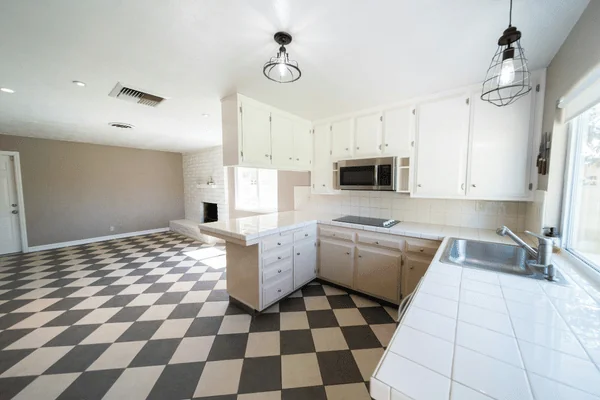
Your kitchen floor sets the tone for the entire room. A floor remodel doesn’t just improve aesthetics—it impacts comfort underfoot, cleaning ease, safety, and even the overall value of your home. The right material ensures your floor looks great, lasts for years, and handles daily kitchen demands such as spills, dropped dishes, and heavy foot traffic.
Before you start, think about the primary goals for your remodel: are you prioritizing durability, style, easy maintenance, or all three? Knowing this will inform your flooring and installation choices.
Choosing the Best Kitchen Floor for Your Remodel
Selecting the right flooring is a crucial step in any kitchen remodel. The best kitchen floor balances style, durability, moisture resistance, and budget. Here’s an overview of popular options for homeowners in New Mexico:
| Material | Durability | Maintenance | Estimated Cost (per sq. ft.) | Design Considerations | Best For |
| Porcelain or Ceramic Tile | Very high; resists scratches, stains, and moisture | Easy to clean; grout may need periodic sealing | $5–$15 | Wide range of colors, patterns, textures | High-traffic kitchens, long-term investment |
| Luxury Vinyl Plank (LVP) | High, water-resistant, and scratch-resistant | Simple cleaning; low maintenance | $3–$7 | Mimics hardwood or stone; many finishes available | Kitchens with moisture concerns, families with pets |
| Laminate | Moderate; scratch and stain-resistant | Easy cleaning; sensitive to standing water | $2–$6 | Wide color and pattern options; click-lock designs | Budget-friendly remodels, DIY-friendly installations |
| Engineered Hardwood | High; more stable in moisture-prone areas than solid hardwood | Regular sweeping; periodic refinishing | $6–$12 | Real wood look; can be finished in various tones | Homes seeking classic, natural wood appeal |
| Solid Hardwood | High; can be refinished multiple times | Sweeping and occasional refinishing; sensitive to water | $8–$15 | Timeless aesthetic; wide plank options | Long-term value, traditional-style kitchens |
| Waterproof Hybrid Flooring | Very high; withstands spills and high foot traffic | Low maintenance | $4–$9 | Looks like wood or stone; click-lock installation | Busy kitchens, homeowners wanting low-maintenance style |
| Cork Flooring | Moderate; can dent under heavy objects | Regular sweeping; occasional sealing | $4–$8 | Soft underfoot, natural insulation, eco-friendly | Eco-conscious homeowners, comfort underfoot |
| Reclaimed Wood | High; durable with proper care | Sweeping and refinishing as needed | $6–$12 | Unique, rustic character | Sustainability-focused remodels, custom designs |
| Stone (Marble, Slate, Granite) | Very high, long-lasting, and luxurious | Requires sealing; moderate maintenance | $10–$25 | High-end look; natural textures and colors | Premium remodels, elegant kitchen designs |
Tip: When planning your kitchen floor remodel, balance aesthetics, durability, and budget. Understanding realistic material costs helps you make smarter choices and avoid surprises during installation.
Tools and Materials Needed Before You Start
A successful floor remodel requires the right tools, many of which are typically used by professionals:
- Heavy-duty floor scraper.
- Professional-grade tile cutter.
- Laser level.
- Power drill with assorted bits.
- Pneumatic nail gun.
- Moisture barrier or underlayment.
Having these tools ready ensures a smoother installation and better results. Cutting corners with tools or materials can lead to costly mistakes later.
How to Redo a Kitchen Floor: Step-by-Step Process
Ready to transform your kitchen floor? Here’s a practical step-by-step guide for your remodel:
1. Remove Old Flooring
Here’s how to get started:
- Clear furniture and appliances off the floor.
- Cut the flooring into sections with a utility knife.
- Pry up carefully to avoid damaging the subfloor.
2. Inspect and Prepare the Subfloor
Check for any signs of damage, such as moisture or rot, and guarantee it’s level. Remove any debris and clean the surface thoroughly. If you find uneven areas, consider leveling them out before proceeding.
3. Install Underlayment or Backer Board
Follow these steps for a smooth installation:
- Measure, cut, and fit boards.
- Secure tightly with screws or adhesive.
- Ensures a flat, stable surface for new flooring.
4. Lay Down Your New Kitchen Flooring
Now it’s time to lay down your new kitchen flooring. Begin by carefully aligning your first piece in a corner, making sure it’s straight. Use spacers to maintain even gaps, then continue laying each piece and tapping it into place. Check for levelness as you go to guarantee a smooth, professional finish.
5. Seal, Finish & Clean Up
After laying down the floor, follow these steps:
- Apply sealants appropriate for your material.
- Install trim or molding for a polished finish.
Sweep, mop, and enjoy your new kitchen floor!!
How Much Does a Kitchen Flooring Remodel Cost?
Kitchen flooring remodels vary widely depending on the material and kitchen size. On average:
- Budget range: $1,500–$5,000.
- Factors affecting cost: include material selection, labor, subfloor repairs, and project complexity.
Being aware of your budget upfront helps you make informed choices about materials, installation methods, and whether to hire professional remodeling contractors.
DIY vs. Hiring a Kitchen Remodeling Contractor
Before deciding whether to tackle your floor remodel yourself or hire a professional, consider your skill level, time available, and budget. DIY projects can reduce labor costs, but they require the right tools, techniques, and attention to detail to ensure a high-quality result.
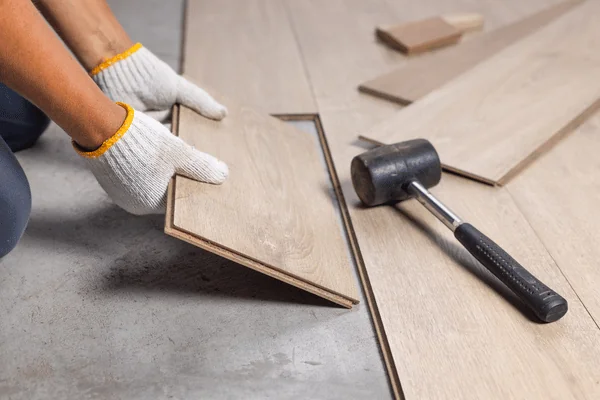
On the other hand, hiring a remodeling contractor ensures professional installation, guarantees durability, ensures proper leveling, provides effective waterproofing, and ensures compliance with building codes. For more complex flooring materials, such as tile or engineered hardwood, investing in an experienced contractor is often the best way to achieve a flawless, long-lasting finish while avoiding costly mistakes.
Common Mistakes to Avoid When Remodeling a Kitchen Floor
When remodeling your kitchen floor, avoiding common mistakes can save you time and money. Neglecting these aspects can lead to bigger issues down the line, so let’s explore what to watch out for.
- Not leveling the subfloor: Leads to uneven flooring and damage.
- Using the wrong adhesive can cause peeling or warping.
- Ignoring expansion gaps: Materials need space to expand and contract.
- Choosing slippery flooring: Opt for textured or slip-resistant surfaces.
- Improper moisture barrier installation: Essential for preventing water damage.
Avoiding these pitfalls ensures your remodel lasts for years.
Complete a Kitchen Flooring Renovation Successfully
Careful planning, material selection, and proper installation are the keys to a successful kitchen floor remodel. Take the time to assess your needs, prepare your subfloor, and choose a durable, attractive material. Whether you hire a professional or tackle a DIY project, following the proper steps will protect your investment and enhance your kitchen’s functionality and style.
Ready to remodel your kitchen floor? Our expert kitchen remodeling contractors can help you choose the best kitchen floor and handle the installation from start to finish. Get a Free Consultation Today!
Frequently Asked Questions
1. How long does a kitchen floor remodel typically take?
A kitchen floor remodel usually takes about one to two weeks. Simple projects, like replacing vinyl or laminate, can be completed in just a few days. More complex remodels, including tile installation or subfloor repairs, take longer. Delays can occur if unexpected damage is found or materials are backordered. Allocating extra time in your schedule helps ensure a smoother project and reduces stress.
2. Can I install new flooring over existing kitchen flooring?
In some cases, yes. Installing over existing flooring can save time and labor costs, but the current floor must be in good condition and relatively level. Thick or uneven layers may cause issues; check for height discrepancies and repair as needed. Certain materials, such as tile, may require removing the existing floor entirely.
3. What is the best flooring for homes with pets?
Luxury vinyl plank, laminate, and tile are excellent choices, resisting moisture and scratches while looking stylish. Hardwoods can work if you choose harder species such as oak or bamboo and apply protective finishes. Avoid softwoods or highly polished surfaces that show scratches quickly. Maintenance also matters—regular sweeping and prompt cleanup of spills help preserve your floor’s appearance.
4. How do I maintain my new kitchen floor?
Sweep or vacuum daily to remove dirt and debris. Mop weekly with a gentle cleaner suitable for the material. Avoid harsh chemicals that can damage finishes, especially on wood or laminate floors. Use mats or rugs in high-traffic areas to protect surfaces. For porous materials such as tile and natural stone, periodic sealing helps protect against moisture and maintain longevity.
5. Are there eco-friendly flooring options available?
Yes! Bamboo, cork, reclaimed wood, and recycled tiles or linoleum are sustainable, durable, and stylish options. Bamboo grows quickly and provides a strong, long-lasting floor. Cork offers natural insulation and softness underfoot. Reclaimed wood adds character and reduces waste, while recycled tiles give modern, unique designs. Eco-friendly flooring benefits the environment and enhances your kitchen’s aesthetic.