Planning a kitchen remodel is exciting, but figuring out how to pay for it can feel somewhat overwhelming. Between cabinets, appliances, labor, and design decisions, costs can quickly add up. That’s why understanding how to finance kitchen remodeling projects is just as important as choosing the right layout or finishes.
The good news is that homeowners today have more flexible financing options than ever. Whether you’re planning a modest update or a full makeover, the right strategy can help you manage costs, protect your savings, and move forward with confidence. This guide breaks down common financing solutions, explains how to choose the best option for your situation, and shows how working with experienced kitchen remodeling contractors can make budgeting far more predictable.
How Much Does a Kitchen Remodel Typically Cost?
Kitchen remodeling costs vary widely depending on the size of the space, material selections, and the scope of work. Partnering with a qualified kitchen remodeling contractor early in the process helps set realistic expectations and avoid budget surprises.
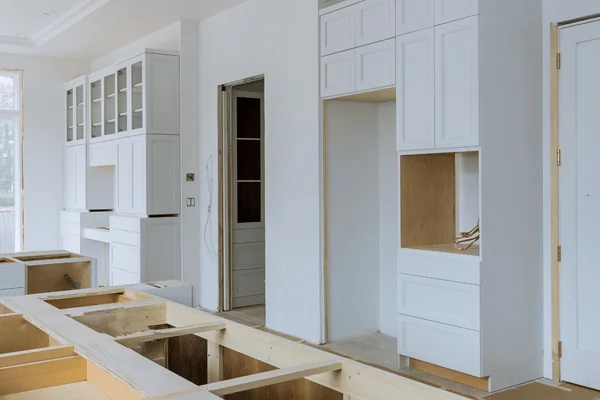
Average Cost Ranges: Minor vs. Full Remodels
- Minor remodels: $10,000–$20,000 (cosmetic updates include paint, fixtures, countertops, or cabinet refacing).
- Mid-range remodels: $20,000–$40,000 (new cabinets, appliances, flooring, and lighting).
- Total makeover: $30,000–$100,000+ (layout changes, custom cabinetry, structural work, premium finishes).
If you plan to finance your project, understanding where it fits within these ranges is essential for choosing the right loan or payment plan.
What Drives Costs in a Total Kitchen Makeover?
Several factors influence the final price:
- Cabinet quality and customization
- Appliance upgrades
- Countertop materials
- Electrical and plumbing changes
- Labor and permit requirements
Working with experienced kitchen remodelers in Albuquerque can help identify where to invest and where to save without compromising results.
Why Budgeting Comes Before Financing
Before deciding how to finance your project, you need a clear, itemized budget. Knowing your numbers allows you to:
- Borrow only what you need
- Compare financing options accurately
- Avoid long-term financial strain
A solid budget is the foundation of a stress-free remodel.
3 Reasons Why Financing Makes Sense
Financing isn’t just about affordability. It’s about flexibility. Instead of delaying your project for years while you build savings, smart financing allows you to move forward while maintaining financial stability.
1. Spreading Costs Over Time
Financing lets you divide the project cost into manageable monthly payments. This approach can make higher-quality materials and professional installation more accessible without draining your savings.
2. Preserving Savings for Emergencies
Using financing rather than cash helps keep emergency funds intact. Unexpected expenses (inside or outside the remodel) are easier to handle when your savings remain untouched.
3. Increasing Home Value While Managing Cash Flow
Kitchen upgrades consistently rank among the top home improvements for return on investment. Strategic improvements like energy efficient appliances, durable countertops, and modern lighting can increase resale value, while financing helps control cash flow.
Common Ways to Finance Kitchen Remodeling
There’s no one-size-fits-all way to finance a remodel. The right option depends on your budget, credit profile, and how much flexibility you want during the project. Below are some of the most common financing approaches, along with their advantages and trade-offs.
Cash and Personal Savings
Pros:
- No interest or financing fees
- No monthly payments
- Full ownership with no lender involvement
Cons:
- Reduces savings or emergency funds
- Less financial flexibility if unexpected costs arise
Paying cash often works best for smaller projects or homeowners with substantial savings.
Home Equity Loans and HELOCs
Pros:
- Typically lower interest rates than personal loans
- Home equity loans offer predictable, fixed payments
- HELOCs provide flexible access to funds as needed
Cons:
- Your home is used as collateral
- Closing costs or fees may apply
- Longer approval process compared to unsecured loans
These options are commonly used for larger remodeling projects.
Personal Loans for Kitchen Remodeling
Pros:
- Fast approval and funding
- Fixed repayment terms
- No home equity required
Cons:
- Higher interest rates than equity-based loans
- Shorter repayment periods can mean higher monthly payments
Personal loans are often a good fit for homeowners who need quick funding or prefer not to use home equity.
Contractor Financing Options
Pros:
- Convenient, streamlined approval process
- Costs bundled into a single payment
- Financing aligned with project timelines
Cons:
- Interest rates and terms vary by provider
- Fewer options for comparison
- May require qualifying through a third-party lender
Contractor financing is often appealing for full remodels where simplicity and coordination matter most.
How to Choose the Right Financing Option
Choosing the right financing option comes down to how the numbers, timing, and scope of your remodel align. Different financing methods work better depending on how large the project is, how soon work needs to begin, and what borrowing options are realistically available to you. Reviewing these factors upfront helps narrow your choices and avoid mismatches between financing and project needs.
Budget Size and Project Scope
Clearly define what your remodel includes and how much flexibility you need. Larger projects often benefit from longer-term financing with predictable payments.
Credit Score and Home Equity
Your credit score affects interest rates, while available home equity expands your borrowing options. Reviewing both upfront helps narrow your choices.
Timeline for Completing the Remodel
Some loans fund quickly, while others take longer. Align your financing timeline with your project schedule to avoid delays.
How Kitchen Remodelers in Albuquerque Help with Budget Planning
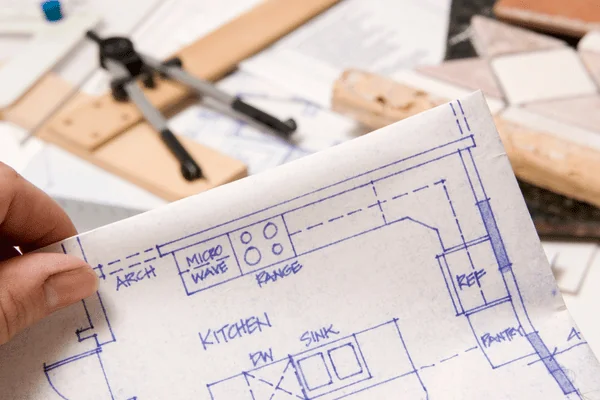
Budget planning is one of the biggest challenges homeowners face during a kitchen remodel, especially when costs vary by location. Kitchen remodelers in Albuquerque bring local insight that helps homeowners plan more accurately, account for regional pricing, and avoid common budgeting mistakes. Their familiarity with local labor markets, materials, and permitting requirements helps create realistic estimates and fewer surprises as the project moves forward.
Accurate Estimates From Local Contractors
Experienced contractors understand local labor rates, permitting requirements, and material pricing, resulting in more accurate estimates.
Material and Labor Cost Considerations
Local contractors help you evaluate:
- Cabinet and countertop price ranges.
- Appliance availability.
- Labor demand and seasonal pricing.
Avoiding Surprise Expenses
Professional planning includes contingencies, inspections, and clear scopes of work, reducing the risk of unexpected costs.
Planning Your Total Kitchen Makeover Step by Step
A full kitchen makeover can feel overwhelming without a clear plan in place. Breaking the process into defined steps helps homeowners control costs, coordinate financing, and keep the project moving on schedule. By setting priorities early, phasing work strategically, and aligning financing with each stage, it’s easier to manage both the budget and the timeline from start to finish.
Step 1: Setting Priorities
Focus first on layout and functionality, then cabinets, appliances, and finishes. This ensures your budget supports daily use, not just aesthetics.
Step 2: Phasing the Remodel to Reduce Upfront Costs
Breaking the project into phases allows you to spread expenses over time while still making progress.
Step 3: Aligning Financing with Project Milestones
Funding each phase as it begins helps prevent overborrowing and keeps spending aligned with actual progress.
Mistakes to Avoid When Financing a Kitchen Remodel
Financing decisions can have a lasting impact well beyond the construction phase. Small missteps early on, especially around loan size, timing, or terms, can limit flexibility and increase overall costs. Understanding the most common mistakes helps homeowners protect their finances and keep the remodel aligned with long-term goals.
- Borrowing more than necessary: Taking on excess financing can increase interest costs and strain monthly budgets long after the remodel is complete.
- Ignoring total repayment costs: Focusing only on monthly payments can hide the true cost of interest and fees over time.
- Choosing financing before finalizing the design: Without a clear scope, financing may fall short or exceed what’s actually needed.
- Failing to compare multiple options: Rates, terms, and flexibility vary widely, and skipping comparisons can lead to avoidable costs.
Careful planning and informed financing choices help ensure your kitchen remodel remains affordable, not just during construction, but for years to come.
Frequently Asked Questions
1. What is the cheapest way to finance a kitchen remodel?
The most affordable option is usually paying with cash or personal savings, since you avoid interest and loan fees altogether. However, this only makes sense if it doesn’t drain your emergency fund. For larger projects, low-interest home equity loans or HELOCs are often the next most cost-effective solution because they typically offer better rates than personal loans or credit cards.
2. Can I finance a kitchen remodel with bad credit?
Yes, financing is still possible with bad or limited credit, though your options may be more restricted. Some lenders offer personal loans with higher interest rates, while certain contractors provide in-house financing programs with more flexible approval criteria. You may also improve your chances by applying with a co-signer, offering collateral, or reducing the loan amount to better match your credit profile.
3. How much should I budget for a kitchen remodel?
A common rule of thumb is to budget between 10% and 15% of your home’s value for a kitchen remodel. Minor updates fall on the lower end, while a total kitchen makeover with layout changes, new cabinetry, and upgraded appliances will be on the higher end. Always include a 10–20% contingency to cover unexpected issues like plumbing or electrical upgrades.
4. Is kitchen remodeling worth financing?
For many homeowners, financing is worth it because it allows them to complete the remodel sooner while preserving cash savings. A well-planned kitchen renovation can improve daily functionality, energy efficiency, and resale value. When financing is structured responsibly with manageable payments and reasonable interest rates, it often delivers long-term value that outweighs the borrowing costs.
5. What types of loans are available for kitchen remodeling?
Homeowners can choose from several loan types, including personal loans, home equity loans, HELOCs, and cash-out refinancing. Some also use contractor financing programs that bundle project costs and payments together. Each option differs in interest rates, approval speed, and repayment terms, so comparing offers carefully is important before committing.
6. Can I use credit cards to finance a kitchen remodel?
Credit cards can be useful for small purchases or short-term expenses, especially if you qualify for a 0% introductory APR. However, they’re generally not ideal for financing an entire remodel due to high interest rates once promotional periods end. If you use credit cards, have a clear payoff plan to avoid long-term debt.
Final Thoughts on Financing Your Kitchen Remodel
Successful remodeling starts with a smart approach to financing kitchen remodeling that aligns with your long-term goals (not just your immediate budget). By understanding project costs, comparing financing options, and choosing the right solution for your situation, you can avoid unnecessary stress and make confident decisions. Partnering with experienced professionals also helps ensure accurate estimates, fewer surprises, and better overall results.
Ready to start your kitchen remodel? Speak with Elevare Kitchen and Bath, trusted kitchen remodelers in Albuquerque, to get a clear project estimate and explore financing options that fit your budget. Schedule your consultation today.